Beyond the Cushion: Uncovering Everyday Mindfulness, the Japanese Way
When you hear the word “mindfulness,” what’s the first image that comes to mind? For many of us, it’s someone sitting perfectly still on a cushion, eyes closed, deep in formal meditation. While seated meditation is a powerful and wonderful practice, this image can also feel intimidating. Perhaps you’ve thought, “I don’t have time for that,” or “I just can’t get my mind to be quiet!” If this resonates, you’ll be delighted to discover that the Japanese approach to mindfulness extends far beyond the meditation cushion and into the beautiful fabric of everyday life.
In Japan, mindfulness isn’t just something you *do* for 20 minutes a day; it’s a way you *live*. It’s woven into daily actions, rituals, and the very way one interacts with the world. This is the art of **”Teinei na Kurashi” (丁寧な暮らし)** – a life lived with care, intention, and attention to detail. It’s about finding moments of Zen not by escaping from your routine, but by fully immersing yourself within it.
This article will explore how you can embrace this accessible and deeply enriching form of everyday mindfulness inspired by Japanese culture. We’ll uncover how to transform mundane tasks into mindful rituals, helping women, in particular, find peace and purpose amidst the demands of a busy life – no cushion required.
The Essence of Japanese Everyday Mindfulness: Presence in Action

The core of this practice is not about “emptying the mind,” but about **filling the moment with your full presence.** It’s about the quality of attention you bring to any given activity. In Japan, this is often reflected in the concept of **”Shosa” (所作)**, which refers to one’s bearing, conduct, or movements. Beautiful “Shosa” isn’t about looking good; it’s about moving with a mindful, unhurried grace that reflects an inner state of calm and awareness.
This approach transforms mindfulness from a separate, scheduled activity into a continuous, integrated practice. Every moment becomes an opportunity.
5 Ways to Practice Everyday Mindfulness, Inspired by Japan (Beyond Meditation)
Here are five simple yet profound ways to weave the Japanese spirit of mindfulness into your daily life:
1. The Ritual of a Single Cup: Mindful Preparation & Sipping
The Inspiration: The Japanese Tea Ceremony (Chanoyu) is the pinnacle of mindfulness in action, where every step is deliberate and full of meaning.
Your Everyday Practice:
- Choose one beverage you have daily – your morning coffee, a cup of herbal tea, even a glass of lemon water.
- Prepare it with your full attention. Notice the sound of the water, the aroma of the coffee grounds or tea leaves, the warmth of the steam.
- Sit down without distractions (no phone, no TV). Hold the cup and feel its warmth and texture.
- Sip slowly, savoring the taste and the feeling of the warm liquid.
- This simple 5-minute ritual transforms a routine into a moment of grounding and self-care.
2. The Art of Mindful Movement (Shosa – 所作)
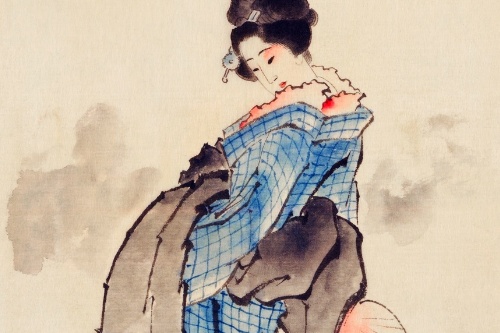
The Inspiration: The graceful, deliberate movements found in Japanese arts like calligraphy (Shodo) and martial arts.
Your Everyday Practice:
- Choose one simple, repetitive physical action you do daily. It could be opening a door, placing a book on a shelf, washing your hands, or even walking from one room to another.
- Perform this action with conscious, unhurried grace. Notice the movement of your muscles, the point of contact, the beginning and end of the motion.
- Instead of rushing through, bring a sense of intention and respect to the movement. This practice cultivates a sense of calm and poise throughout your day.
3. The Purity of Tidying: Cleaning as a Mental Reset
The Inspiration: The Zen practice of “samu” (work practice), where daily chores like cleaning are considered a form of active meditation.
Your Everyday Practice:
- Don’t view cleaning as a dreaded chore. See it as an opportunity to purify both your space and your mind.
- When you wipe down a counter, do it with full attention. Notice the clean surface emerging from under the cloth.
- When you sweep the floor, be present with the sound and motion of the broom.
- This “cleaning meditation” helps to clear mental clutter just as it clears physical clutter, leaving you with a sense of accomplishment and serenity.
4. The Beauty of Arranging: Finding Joy in Composition
The Inspiration: Ikebana (生け花), the Japanese art of flower arranging, which emphasizes space, balance, and appreciating the beauty of nature.
Your Everyday Practice:
- You don’t need a formal lesson. Simply take one flower from your garden or a single stem from a bouquet and place it in a small vase. Take a moment to appreciate its form, color, and aliveness.
- Apply this to arranging your plate of food. Take an extra 30 seconds to place your food thoughtfully, creating a visually pleasing meal.
- This practice encourages you to find and create beauty in the small details, fostering creativity and a sense of appreciation.
5. The Presence of Listening (Inspired by Omotenashi – おもてなし)
The Inspiration: The Japanese spirit of hospitality, “Omotenashi,” which is about anticipating others’ needs and being wholeheartedly present for them.
Your Everyday Practice:
- In your next conversation, practice deep listening. Put your phone away, make eye contact, and truly hear what the other person is saying, without planning your response while they’re still talking.
- Notice their tone of voice and body language. Be fully present with them.
- This turns everyday conversation into a powerful act of connection and mindfulness, strengthening your relationships and making others feel truly seen and heard.
Why This “Integrated” Mindfulness is So Effective
For modern women, whose lives are often a tapestry of interconnected tasks and responsibilities, this approach to mindfulness is particularly powerful. It doesn’t ask you to add another “to-do” to your list. Instead, it invites you to elevate the quality of what you’re *already doing*. It infuses the mundane with meaning, turns chores into rituals, and finds profound peace not in escaping your life, but in living it more fully.
Your Everyday Path to Peace
Mindfulness doesn’t have to be a formal, intimidating practice reserved for a special time and place. The beautiful wisdom of the Japanese way shows us that our entire life can become a meditation. By bringing intention, attention, and a sense of quiet reverence to our daily routines, we can unlock a more peaceful, present, and deeply fulfilling way of being.
The path to inner calm is not beyond your reach; it’s waiting to be discovered in your next cup of tea, your next conversation, your next simple, mindful movement. What everyday moment will you transform today?