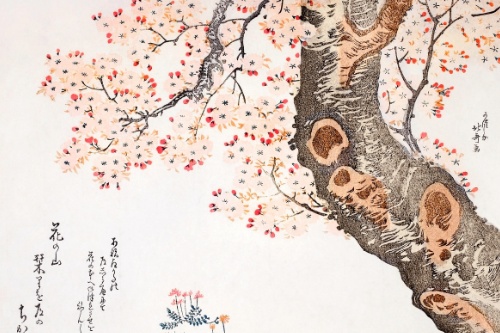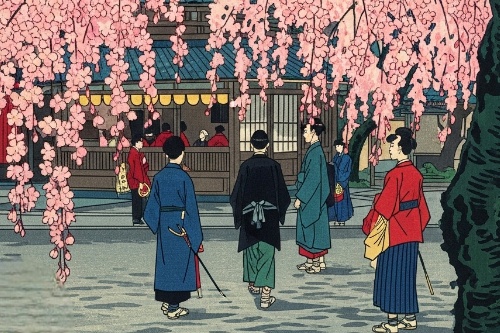
Picture a samurai. What do you see? A lone warrior standing under a storm of cherry blossoms, their hand resting on the hilt of a katana. You see discipline, power, and an unbreakable will. For decades, films, anime, and stories have painted the samurai as the ultimate warrior, a symbol of immense strength and skill.
But what if their true power wasn’t in the sharpness of their blade, but in the clarity of their soul? What if the secret to their legendary fortitude was an unwritten, unspoken code that guided their every action, from the battlefield to the tea ceremony?
This code is Bushido (武士道), “The Way of the Warrior.” It is far more than a set of rules for combat; it is a profound ethical framework for living a life of purpose, honor, and integrity. In a world that often feels chaotic and devoid of clear principles, the ancient wisdom of Bushido offers a timeless compass. Forget what you’ve seen in movies. It’s time to uncover the seven virtues that forged the heart of the samurai—and discover how they can empower you today.
What Exactly is Bushido?
Bushido was not a written law but a moral and ethical code that evolved over centuries. It governed how the samurai class was expected to live and die. While its principles were passed down through generations, they were famously codified for the Western world in Nitobe Inazō’s 1900 book, “Bushido: The Soul of Japan.”
At its core, Bushido is about mastering oneself. It teaches that true strength is found not in dominating others, but in controlling one’s own mind, emotions, and actions. This self-mastery is built upon seven core virtues. Let’s explore them one by one.
The 7 Virtues of Bushido
1. Gi (義) – Justice and Integrity
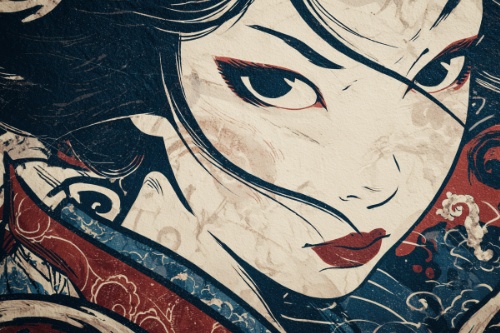
For a samurai, Gi was the most fundamental virtue. It’s the power to make a decision and stick to it, based on a strong sense of what is right and just. It is not about following rules blindly, but about having a personal moral compass. A samurai with Gi does the right thing, even when no one is watching. It is the solid skeleton that gives structure to all other virtues.
In Modern Life: Gi is about having unwavering integrity. It’s about being honest with yourself and others, taking responsibility for your actions, and choosing the right path, not the easy one. It’s asking yourself, “Am I acting in alignment with my deepest values?”
2. Yū (勇) – Courage
Bushido’s courage is not the absence of fear. It is acting in the face of fear. Yū is intelligent bravery, not reckless abandon. It’s the strength to do what is right (Gi) even when you are scared. A samurai understood that hiding like a turtle in its shell is not living. True courage is both heroic and quiet—facing a physical enemy or an internal struggle with equal resolve.
In Modern Life: Courage is speaking up for what you believe in, starting a new venture despite the risk of failure, having a difficult conversation, or seeking help when you are struggling. It’s about stepping out of your comfort zone for the sake of growth.
3. Jin (仁) – Compassion and Benevolence

The samurai was not just a killing machine. Through intense training, they gained immense power, and with that power came the profound responsibility of benevolence. Jin is the compassion and empathy to help others. It’s the ability to use one’s strength to serve and protect the weak. A true warrior is both strong and kind.
In Modern Life: Jin is our capacity for kindness, empathy, and service. It’s mentoring a colleague, volunteering in your community, or simply listening to a friend in need. It’s using your skills and resources not just for personal gain, but for the good of others.
4. Rei (礼) – Respect and Courtesy
Rei is about more than just good manners. It is a genuine expression of respect for others and for oneself. For the samurai, Rei was a way to demonstrate their character without resorting to violence. A bow, a gesture, the way they held their sword—all were expressions of Rei. It’s the recognition that even your fiercest enemy deserves respect as a fellow human being.
In Modern Life: Rei is about treating everyone with dignity, regardless of their status or your disagreements. It’s active listening, showing gratitude, and conducting yourself with professionalism and grace. It elevates social interactions from mere transactions to moments of mutual respect.
5. Makoto (誠) – Honesty and Sincerity
For a samurai, speaking and doing were one and the same. Makoto means that there is no gap between your words and your actions. If you say you will do something, you do it. It is a commitment to living a life of absolute sincerity, free from deception. This unwavering honesty builds trust and is the foundation of true honor.
In Modern Life: Makoto is about being authentic. It means keeping your promises, being reliable, and communicating honestly. It’s about your actions truly reflecting your intentions and beliefs, creating a life without hypocrisy.
6. Meiyo (名誉) – Honor
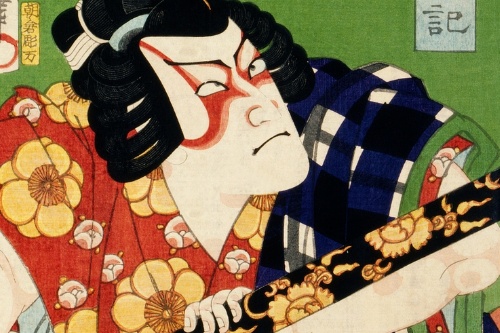
Meiyo was the most prized possession of a samurai—a vivid awareness of one’s personal dignity and worth. It is a reputation built not on the opinions of others, but on one’s own adherence to their moral code (Gi). Losing honor was considered worse than death. This inner judge determined whether a samurai was living up to their own standards.
In Modern Life: Honor is about self-respect. It’s about setting high standards for your own behavior and holding yourself accountable. It’s knowing your worth and refusing to compromise your values for short-term gain or approval.
7. Chūgi (忠義) – Loyalty
Chūgi is the virtue of loyalty and devotion. For a samurai, this meant an unwavering allegiance to their lord, their clan, and their community. But it was not blind obedience. A samurai’s loyalty was to the responsibilities they had chosen to take on. It was a fierce commitment to the people and causes they held dear.
In Modern Life: Loyalty is about being a devoted friend, a dedicated partner, and a responsible employee. It’s about standing by your commitments and being a person others can count on, through good times and bad.
The Way of the Warrior in a Modern World
Bushido is not about wielding a sword or seeking out conflict. It is about wielding yourself with precision, purpose, and grace. These seven virtues are not relics of a forgotten past; they are a powerful, interconnected framework for building a life of meaning.
To live with Justice (Gi), you need Courage (Yū). To express that strength, you need Compassion (Jin) and Respect (Rei). Your actions are guided by Honesty (Makoto), which in turn builds your Honor (Meiyo) and deepens your Loyalty (Chūgi) to what truly matters.
The way of the samurai is a path of self-mastery, and it is a path that is open to us all.