In Tune with the Earth: Discovering Seasonal Living Through Japan’s 24 Solar Terms
In our modern world, we often live disconnected from the rhythms of nature. We work in climate-controlled offices, eat strawberries in winter, and measure our year by calendar dates rather than the subtle shifts in sunlight and life around us. This disconnect can leave us feeling ungrounded, stressed, and out of sync. But what if there was a more ancient, more nuanced way to attune ourselves to the earth’s cycles, finding peace and purpose in the gentle flow of the seasons?
Enter the beautiful Japanese concept of **Nijūshi Sekki (二十四節気)**, the 24 solar terms. This traditional calendar divides the year not into four seasons, but into 24 distinct micro-seasons, each lasting about 15 days and capturing a specific, poetic moment in nature’s journey. It’s a framework for living seasonally that goes beyond just spring, summer, autumn, and winter, inviting us to cultivate a deeper, more mindful connection with the natural world.
This article will guide you through the wisdom of Japan’s 24 solar terms. We’ll explore what they are, the profound life lessons they offer (especially for women seeking balance and grounding), and simple, practical ways you can start living more in tune with the beautiful, ever-changing rhythm of nature.
What are the 24 Solar Terms (Nijūshi Sekki)? A Deeper Look at the Year
Originating in ancient China as an agricultural calendar and later refined in Japan, the Nijūshi Sekki was created to track the changing seasons with greater precision. It marks the sun’s journey, noting subtle shifts that were vital for farming and daily life. Each of the 24 terms has a beautifully descriptive name that paints a picture of the natural world at that time.
Instead of just “spring,” for example, you have:
- Risshun (立春): The “Beginning of Spring” (approx. Feb 4)
- Usui (雨水): “Rain Water,” when snow begins to melt into rain (approx. Feb 19)
- Keichitsu (啓蟄): “Insects Awaken” from their winter hibernation (approx. Mar 5)
And instead of just “autumn,” you have moments like:
- Hakuro (白露): “White Dew,” when morning dew appears on the grass (approx. Sep 7)
- Kanro (寒露): “Cold Dew,” when the air grows colder and the dew feels chilly (approx. Oct 8)
This isn’t just a calendar; it’s an invitation to pay closer attention, to observe, and to participate in the subtle, ongoing story of the year.
Life Lessons from the 24 Seasons: Wisdom for Modern Women
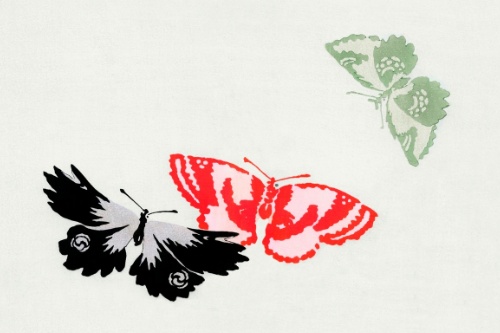
Embracing the spirit of the 24 solar terms can be a deeply restorative practice, offering timeless wisdom for navigating the demands of modern life.
1. Cultivating Presence and Mindfulness
The 24 solar terms train us to be keen observers of our environment. Noticing the small changes – the angle of the sun, the first new bud, the scent of rain – pulls us into the present moment. This practice of paying attention is the very essence of mindfulness, helping to quiet a busy mind and reduce anxiety.
2. Embracing Change and Building Resilience
By observing the constant, seamless flow from one micro-season to the next, we learn a profound lesson in acceptance. Nature is always in a state of becoming. The 24 solar terms teach us that change is not an abrupt disruption but a natural, graceful cycle. This perspective can help us navigate our own life transitions with less resistance and greater resilience.
3. Finding Joy in Simplicity (Shun – 旬)
Each micro-season has its own “shun” (旬) – the peak season for a particular food. Living seasonally encourages us to eat what is fresh, local, and at its most delicious and nutritious. This fosters a deeper appreciation for simple, natural foods and a more sustainable way of eating.
4. Aligning Your Energy with Natural Rhythms
The 24 solar terms provide a blueprint for aligning our own energy. Just as nature has periods of dynamic growth (spring), peak energy (summer), gentle harvest (autumn), and quiet rest (winter), we too can learn to honor our own need for cycles of action and stillness. This is a powerful antidote to modern burnout culture.
5. Deepening Your Connection to “Place”
Paying attention to the specific seasonal changes in your local environment fosters a profound sense of connection to your home and place. You become part of its story. This grounding can be incredibly comforting and affirming, especially for women who often create and nurture a sense of “home” for others.
Simple Ways to Live by Japan’s 24 Solar Terms:
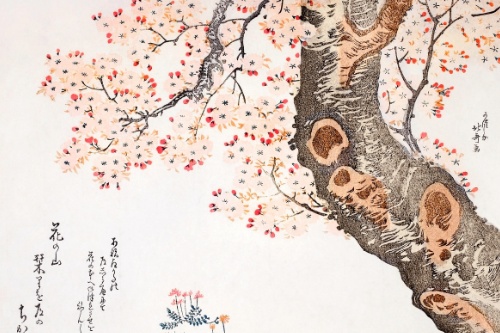
You don’t need to be a farmer or live in Japan to embrace this wisdom. Here’s how to start:
1. Follow a 24 Solar Terms Calendar or App
Simply knowing what micro-season you’re in is the first step. Look up a calendar online or download an app. At the start of each new term (every 15 days or so), read its name and meaning.
2. Take a 15-Day “Nature Notice” Challenge
During one solar term, make a daily habit of noticing one small thing in nature. Keep a simple journal or take a photo. What does the sky look like? What plants are blooming or changing? How does the air feel?
3. Eat with the “Shun” (旬)
Visit a local farmer’s market and ask what’s in peak season. Try one new recipe each month using seasonal ingredients. This attunes your body to the time of year.
4. Align a Small Ritual with the Season
During “Cold Dew” (Kanro), make a point to enjoy a warm, comforting drink. During “Summer Solstice” (Geshi), stay up a little later to enjoy the long evening light. These small rituals connect you to the moment.
5. Refresh Your Space Seasonally
Change the flowers in a vase, switch to a different scented candle, or bring in a natural element (like a bowl of acorns in autumn) to reflect the current season indoors.
Living a Life in Tune
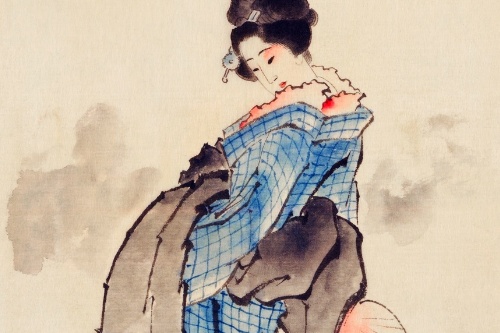
The wisdom of Japan’s 24 solar terms is a gentle reminder that we are not separate from nature, but a part of its beautiful, unfolding rhythm. It’s an invitation to slow down, to observe, and to find a profound sense of peace and belonging in the simple, cyclical truths of the earth.
By learning to live in tune with these subtle seasons, we can cultivate a life that is more mindful, more resilient, and deeply connected to the world around us. What micro-season are you in right now, and what small wonder is it waiting to show you?