Beyond Flawless: Wabi-Sabi Uncovered – Finding Profound Beauty in Imperfection
In a world relentlessly chasing flawlessness – the perfect photo, the ageless appearance, the pristine possession – do you ever find yourself drawn to things that are a little less polished, a little more real? If the allure of the perfectly imperfect resonates with you, then you’re already tapping into the soul of **Wabi-Sabi (侘寂)**, a profound and uniquely Japanese worldview that finds deep beauty in the humble, the transient, and the gracefully flawed.
Wabi-Sabi is not just an aesthetic; it’s a philosophy, a way of seeing, and a path to appreciating the authentic beauty that surrounds us, often hidden in plain sight. It moves beyond the superficial gleam of newness and perfection, inviting us to find richness in the patina of age, the simplicity of natural forms, and the stories embedded in things that have lived a life. For women navigating a culture often obsessed with unattainable ideals, understanding and embracing Wabi-Sabi can be a deeply liberating and soul-nourishing experience.
This article aims to uncover the essence of Wabi-Sabi, exploring its origins, its core principles, and how you can cultivate this gentle yet powerful perspective to find more contentment, authenticity, and profound beauty in your everyday life, celebrating the “flaws” that make things – and us – uniquely beautiful.
What Exactly is Wabi-Sabi? Peeling Back the Layers of Imperfect Beauty
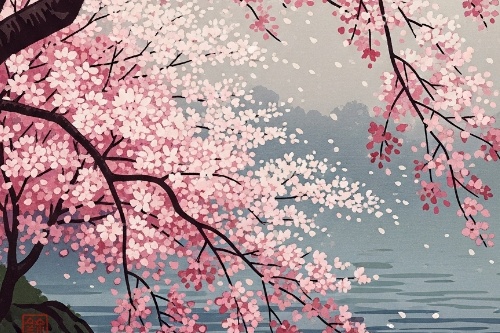
Wabi-Sabi is notoriously difficult to define concisely in English because it’s more of an intuitive feeling and a way of perceiving than a rigid set of rules. However, we can explore its two core components:
- Wabi (侘): Originally conveying loneliness or the desolation of living in nature, “Wabi” evolved to signify rustic simplicity, quietness, and an understated elegance found in natural, unpretentious things. It’s about finding contentment in simplicity, free from worldly attachments. Think of the quiet beauty of a handcrafted wooden spoon or a humble, unadorned teacup.
- Sabi (寂): This refers to the beauty or serenity that comes with age, wear, and the visible passage of time. It’s the charm of things that show their history – the patina on old metal, the weathered texture of ancient wood, the visible repair on a cherished ceramic. “Sabi” appreciates the beauty of transience and the marks of time.
Together, Wabi-Sabi is an appreciation of a beauty that is **imperfect, impermanent, and incomplete**. It finds value in:
- Asymmetry and Irregularity: The beauty of natural, unforced forms.
- Simplicity and Austerity: An uncluttered, unpretentious aesthetic.
- Natural Materials and Processes: Honoring the organic and the way things naturally evolve.
- The Marks of Time and Use: Seeing history and character in wear, tear, and repair.
- Modesty and Humility: An understated elegance that doesn’t shout for attention.
It’s about finding beauty not despite imperfections, but *because* of them.
Wabi-Sabi in Japanese Culture: More Than Just Aesthetics
The spirit of Wabi-Sabi is deeply woven into many aspects of Japanese culture:
- The Tea Ceremony (茶の湯 – Chanoyu): Often utilizes simple, rustic, and sometimes intentionally “flawed” utensils (like Raku ware tea bowls) to create an atmosphere of tranquility and mindful appreciation.
- Pottery and Crafts: Handmade ceramics, textiles, and wooden objects often celebrate natural textures, subtle imperfections, and the unique touch of the artisan.
- Garden Design (庭園 – Teien): Japanese gardens often incorporate natural, weathered elements like moss-covered stones and asymmetrical arrangements to evoke a sense of natural beauty and timelessness.
- Ikebana (生け花 – Flower Arranging): Emphasizes natural lines, space, and the fleeting beauty of plant life, often including buds and wilting elements to represent the full cycle.
Why Wabi-Sabi Offers a Path to Peace for Modern Women
In a society that often bombards women with messages of needing to be perfect – in appearance, at home, in their careers – Wabi-Sabi provides a powerful and compassionate alternative, fostering self-acceptance and a more peaceful way of engaging with the world.
Liberation from the “Perfection Trap”
The relentless pursuit of perfection is exhausting and ultimately unfulfilling. Wabi-Sabi offers a gentle release, allowing us to see beauty and value in our own imperfections and those of the world around us. It teaches that “flaws” are not failures but unique characteristics that tell a story.
Cultivating Self-Acceptance and Authenticity
By appreciating the beauty in things that are natural, aged, and unadorned, we can learn to extend that same appreciation to ourselves. Wabi-Sabi encourages us to embrace our authentic selves, with all our unique quirks and life experiences, rather than striving for an artificial ideal.
Finding Contentment in Simplicity and “Enough”
Wabi-Sabi values simplicity and finding joy in what is essential. This can be a powerful antidote to consumerism and the constant desire for more, helping us to cultivate contentment with what we already have and to recognize the richness in a simpler way of life.
Deepening Your Connection with Nature and Time
Wabi-Sabi is inherently connected to the natural world and its cycles of growth, decay, and renewal. It helps us appreciate the beauty of impermanence and the passage of time, fostering a sense of grounding and acceptance rather than resistance to change.
Creating a Home That Feels Authentic and Soulful
Instead of a showroom-perfect house, Wabi-Sabi inspires us to create a living space that feels warm, inviting, and truly reflective of who we are. This might mean cherishing inherited pieces, embracing handmade items, or simply allowing for a more relaxed, less “curated” environment.
Simple Ways to Invite Wabi-Sabi into Your Everyday Life:
Embracing Wabi-Sabi is less about acquiring specific “Wabi-Sabi” items and more about cultivating a Wabi-Sabi mindset. Here are some gentle approaches:
1. Appreciate the Imperfect Beauty Around You
- Notice the unique grain in a wooden table, the slight asymmetry of a favorite handmade mug, the way sunlight highlights the dust motes in the air. Find beauty in these “imperfect” details.
- When something you own gets a small chip or shows wear, try to see it as adding character rather than diminishing its value.
2. Embrace Simplicity in Your Space and Routine
- Gently declutter, focusing on keeping items that are truly useful, deeply meaningful, or bring you simple joy. Create uncluttered spaces that allow for calm.
- Simplify your routines where possible, finding contentment in doing less with more presence.
3. Connect with Natural Materials and Processes
- Bring natural elements into your home: a weathered branch, a collection of stones, linen textiles, unvarnished wood.
- Spend time in nature, observing its unforced beauty, its cycles, and its imperfections.
4. Value “Old” and “Handmade”
- Consider vintage or antique pieces that tell a story. Appreciate the craftsmanship and unique character of handmade items over mass-produced perfection.
- Try your hand at a craft yourself, embracing the imperfections of your own creations.
5. Practice Mindful Observation and Gratitude
- Slow down and truly notice the world around you. Pay attention to subtle textures, colors, and the effects of time.
- Cultivate gratitude for the simple, everyday beauty that often goes unnoticed.
6. Let Go of the Need for Constant Newness
- Resist the urge to always replace or upgrade. Find contentment in caring for and appreciating what you already have, even as it ages.
Wabi-Sabi: Finding Profound Beauty in the Realness of Life
Wabi-Sabi is a gentle invitation to see the world, and ourselves, through a more compassionate and appreciative lens. It reminds us that true beauty often lies not in an elusive state of perfection, but in the authentic, imperfect, and ever-changing tapestry of life itself.
By uncovering and embracing the hidden beauty of imperfection, we can cultivate a deeper sense of peace, contentment, and a more profound connection to the simple, soulful richness that surrounds us every day. What small, imperfect beauty will you notice and appreciate today?