In our constantly “on” world, filled with noise, notifications, and endless to-do lists, does your mind ever crave a moment of genuine quiet?
Do you yearn for a sense of space, not just physically, but mentally and emotionally too? If so, you might find profound solace and a powerful tool for calm in the Japanese concept of **Ma (間)**.
Ma is often translated as “interval,” “space,” “gap,” or “pause.” But it’s far more than just an empty void. In Japanese aesthetics and philosophy, Ma is a **dynamic, purposeful, and essential emptiness**.
It’s the silence between notes that gives music its rhythm, the unpainted space on a canvas that gives power to the subject, the pause in a conversation that allows for deeper understanding.
Ma is the “negative space” that holds immense positive potential for clarity, creativity, and inner peace. This article will explore the beautiful and often overlooked wisdom of Ma.
We’ll delve into what it truly means, how it manifests in Japanese culture, and most importantly, how you can consciously cultivate Ma in your own life to calm your mind, reduce stress, and find a deeper sense of stillness amidst the chaos.
What Exactly is ‘Ma’? More Than Just Empty Space

To understand Ma, we need to shift our perception of “emptiness.” In many Western cultures, emptiness can have negative connotations – a lack, a void, something to be filled. In contrast, Japanese culture views Ma as an active and vital component of any whole. It’s the space *between* things that defines and gives meaning to the things themselves.
Consider these aspects of Ma:
- It’s Intentional: Ma is not accidental emptiness; it’s a consciously created or acknowledged space.
- It’s Relational: Ma exists in relation to what surrounds it. It defines boundaries, creates rhythm, and allows for connection.
- It’s Full of Potential: This “empty” space is pregnant with possibility. It’s where reflection happens, where creativity can emerge, and where rest can occur.
- It’s About Balance: Ma emphasizes the importance of balance between form and non-form, sound and silence, action and stillness.
‘Ma’ in Japanese Culture: A Thread Woven Through Life
The concept of Ma is deeply embedded in many aspects of Japanese life and art:
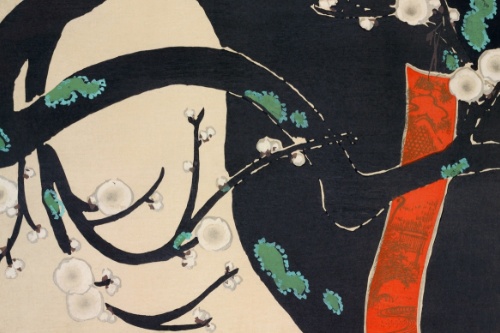
- Art and Design: In Japanese painting (like Sumi-e), flower arranging (Ikebana), and garden design, the empty spaces are as important as the objects themselves. They create balance, evoke atmosphere, and guide the viewer’s eye.
- Architecture: Traditional Japanese rooms often feature minimal furnishings and open spaces, allowing for a sense of calm and flow. The space between objects is carefully considered.
- Music and Performing Arts: The pauses in Noh theater or the silence between notes in traditional Japanese music are crucial for creating tension, rhythm, and emotional impact.
- Communication: In Japanese conversation, pauses are often used for contemplation, to show respect, or to allow unspoken understanding to emerge. Silence is not necessarily awkward; it can be meaningful.
- Everyday Rituals: Even simple daily rituals, like the precise, unhurried movements in a tea ceremony, embody Ma, emphasizing mindful pauses and intentional space.
Why Cultivating ‘Ma’ is Essential for a Calm Mind (Especially for Women)
In our modern lives, we are often conditioned to fill every moment, every space. Our schedules are packed, our minds are racing, and silence can feel uncomfortable. For women, who often juggle multiple roles and a significant mental load, intentionally creating Ma can be a radical act of self-care and a pathway to profound mental peace.
A Powerful Antidote to “Mental Clutter” and Overwhelm
Constantly being bombarded with information and demands leads to mental clutter and a feeling of being overwhelmed. Ma acts like a “reset” button for your mind. By creating pauses and spaces in your day, you give your brain a chance to process, rest, and clear out the noise, leading to greater clarity and reduced stress.
Fostering Creativity and Deeper Insight
True creativity and insightful thinking rarely happen when our minds are in overdrive. Ma provides the fertile ground for new ideas to emerge. When you allow for “empty” space in your thinking – moments of quiet reflection or unstructured time – you open yourself up to fresh perspectives and intuitive understanding.
Improving Focus and Concentration
Paradoxically, taking intentional breaks and creating space can actually improve your ability to focus. Just as a muscle needs rest to grow stronger, your mind needs pauses to maintain concentration. Ma allows you to return to tasks with renewed energy and a sharper focus.
Enhancing Relationships Through Mindful Pauses
In our communication, Ma can be incredibly powerful. Pausing before you speak allows you to choose your words more thoughtfully. Truly listening, with space for the other person to express themselves fully (including their silences), fosters deeper connection and understanding. It prevents reactive responses and encourages more empathetic dialogue.
Creating Space for Self-Reflection and Emotional Processing
Without moments of quiet and space, it’s difficult to truly connect with ourselves, understand our emotions, or reflect on our experiences. Ma provides the necessary internal space for self-awareness to grow, allowing us to process feelings and gain insights into our own needs and desires.
Simple Ways to Invite ‘Ma’ into Your Daily Life and Calm Your Mind
Cultivating Ma doesn’t require drastic lifestyle changes. It’s about consciously weaving small moments of intentional space and stillness into your existing routine. Here are some gentle yet effective ways to start:
1. Embrace Mindful Pauses Throughout Your Day
- The “One-Minute Ma”: Several times a day, set a timer for just one minute. Close your eyes, take a few deep breaths, and simply be still. Notice the space around you and within you.
- Transition Pauses: Before moving from one task to another, or from one meeting to the next, consciously pause for a few moments. Take a breath, stretch, or look out the window. Resist the urge to rush immediately into the next thing.
2. Declutter Your Physical Environment to Create Visual ‘Ma’
- A cluttered physical space often contributes to a cluttered mind. Regularly declutter your home and workspace, even if it’s just one small area at a time. Focus on creating visual openness and simplicity. Fewer items mean more “Ma” for your eyes and mind.
3. Practice “Digital Ma”: Unplug and Create Tech-Free Zones/Times
- Our devices are often the biggest culprits in eliminating Ma. Schedule regular tech-free times, such as during meals, an hour before bed, or for a few hours on the weekend. Turn off notifications to create mental space.
4. Listen with ‘Ma’: The Art of Spacious Conversation
- When someone is speaking to you, practice truly listening without immediately formulating your response. Allow for comfortable silences in the conversation. These pauses can lead to deeper understanding and more thoughtful contributions.
5. Schedule “Empty” Time in Your Calendar
- It might sound counterintuitive, but actually block out short periods of “do nothing” time in your schedule. This isn’t for catching up on chores; it’s for simply being, daydreaming, or allowing your mind to wander freely. This is where creative Ma can flourish.
6. Engage in Activities that Naturally Cultivate ‘Ma’
- Practices like meditation, yoga, spending quiet time in nature, or engaging in focused hobbies like drawing or playing a musical instrument (where pauses are key) can help you experience and appreciate Ma.
Finding Your Stillness in the Space Between
Ma is a subtle yet profoundly powerful concept. It teaches us that emptiness is not a void to be feared or filled, but a vital space that holds the potential for rest, reflection, creativity, and deep inner calm.
By consciously inviting more Ma into our lives – into our schedules, our homes, our minds, and our interactions – we can create a sanctuary of stillness amidst the inevitable busyness of modern life.
Start small, be patient with yourself, and notice the subtle shifts as you begin to appreciate and cultivate the power of the space between. You might find that in these moments of intentional emptiness, you discover a profound sense of peace and clarity you never knew was missing. Where can you create a little Ma in your life today?