Finding Beauty in the Fleeting: The Gentle Wisdom of ‘Mono no Aware’
Have you ever felt a sweet, poignant ache when witnessing something beautiful that you know won’t last? Perhaps it’s the delicate bloom of cherry blossoms in spring, the vibrant colors of a sunset, a nostalgic song from your youth, or even the bittersweet feeling of watching a child grow up too quickly. If so, you’ve already touched upon the essence of a profound and uniquely Japanese concept: **Mono no Aware (物の哀れ)**.
Often translated as “the pathos of things,” “an empathy toward things,” or “a sensitivity to ephemera,” Mono no Aware is a deep, gentle sadness or wistfulness evoked by the transience of life and the beauty of its fleeting moments. It’s not about despair or negativity; rather, it’s an appreciation for the impermanent nature of existence, recognizing that this very impermanence is what makes things precious and beautiful.
In a world that often encourages us to hold onto things tightly and resist change, exploring Mono no Aware can offer a more graceful, accepting, and ultimately more peaceful way to navigate the inevitable ebbs and flows of life. This article will delve into the heart of Mono no Aware, exploring its meaning, its cultural significance, and how embracing its wisdom can enrich your emotional landscape and deepen your appreciation for the present moment.
What Exactly is Mono no Aware? Unpacking a Profound Japanese Sentiment
Mono no Aware is a complex and subtle emotion, deeply ingrained in Japanese culture and aesthetics. Let’s break down its components to understand it better:
- Mono (物): This literally means “things” – encompassing not just physical objects, but also living beings, nature, situations, and even memories.
- Aware (哀れ): This is the more nuanced part. While it can be translated as “pity,” “sorrow,” or “pathos,” in the context of Mono no Aware, it carries a sense of gentle sadness, empathy, sensitivity, and a profound appreciation for the beauty inherent in something precisely because it is transient. It’s a quiet sigh of understanding, rather than a cry of despair.
Therefore, Mono no Aware is an awareness of the ephemeral nature of all things and the gentle, wistful sadness that this awareness evokes. It’s the recognition that beauty and sorrow are often intertwined, and that the fleeting quality of life is what gives it its poignant depth.
Where Do We See Mono no Aware?
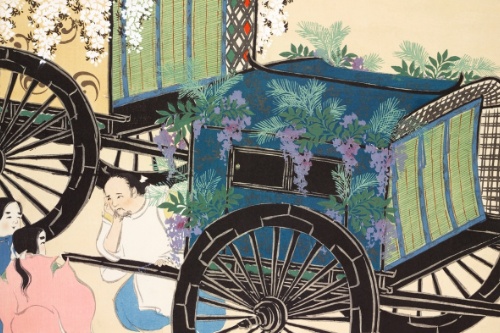
This sentiment is a recurring theme in Japanese literature (like “The Tale of Genji”), poetry (especially haiku focusing on seasons), art, and even in everyday life:
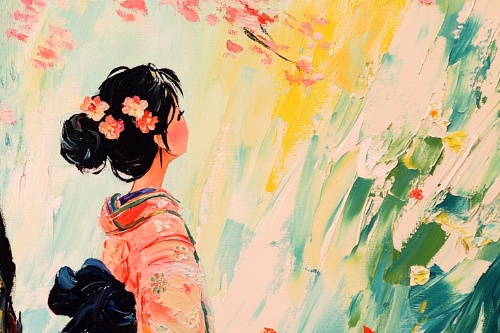
- Cherry Blossoms (Sakura): Perhaps the most iconic symbol of Mono no Aware. Their breathtaking beauty is intensified by the knowledge that they will only last for a short time. Their falling petals evoke a sense of beautiful sadness and the passage of time.
- Changing Seasons: The transition from the vibrant life of summer to the quiet decay of autumn, or the stark stillness of winter giving way to the fresh hope of spring, all elicit Mono no Aware.
- Nostalgia and Memories: Looking back at old photographs, revisiting childhood places, or hearing a song that transports you to a past moment can evoke this feeling – a sweet sadness for what has passed.
- Human Relationships: The understanding that relationships change, people grow apart, or loved ones eventually pass away can also be a source of Mono no Aware, leading to a deeper appreciation for the present moments shared.
Why Embracing Impermanence Through Mono no Aware Can Be So Healing (Especially for Women)
In our modern lives, we often strive for permanence and control. We want things to last, to stay the same. However, life is inherently impermanent. Mono no Aware offers a gentle way to come to terms with this truth, bringing several beautiful benefits, particularly for women who often navigate profound life transitions and emotional depths.
Finding Peace in Acceptance, Not Resistance
Constantly fighting against the natural flow of change is exhausting. Mono no Aware teaches us to accept impermanence as a fundamental aspect of life. This acceptance doesn’t mean resignation; it means finding a sense of peace by acknowledging reality, which can significantly reduce anxiety and stress associated with trying to control the uncontrollable.
Deepening Appreciation for the Present Moment
When you understand that something is fleeting, you tend to cherish it more deeply. Mono no Aware encourages us to be fully present and appreciate the beauty and joy in our current experiences, relationships, and surroundings, knowing they won’t last forever. This enhances our capacity for gratitude and mindful living.
Cultivating Emotional Richness and Empathy
Mono no Aware is a nuanced emotion that allows us to experience a wider spectrum of feelings beyond just “happy” or “sad.” It acknowledges the bittersweet beauty of life. This emotional depth can foster greater empathy, both for ourselves and for others, as we recognize the shared human experience of impermanence.
Letting Go with Grace
Life involves many forms of letting go – letting go of youth, of past selves, of relationships, of expectations. Mono no Aware provides a framework for doing so with grace and a sense of tender appreciation for what was, rather than bitterness or regret. It helps us to move through transitions more smoothly.
Seeing Beauty in “Imperfect” Endings and Fading Things
Our culture often focuses on beginnings and peaks, sometimes devaluing endings or the process of fading. Mono no Aware helps us see the unique, poignant beauty in a wilting flower, a fading photograph, or the quiet dignity of aging. It broadens our definition of beauty to include the entire cycle of life.
Simple Ways to Cultivate Mono no Aware in Your Daily Life

Embracing Mono no Aware isn’t about actively seeking sadness, but about opening your heart to the full, poignant beauty of life’s transient nature. Here are some gentle ways to cultivate this sensibility:
1. Pause and Observe Nature’s Cycles
Spend a few moments each day noticing the subtle changes in nature around you. Observe the changing colors of leaves, the life cycle of a flower in your garden, the shifting light of a sunset, or the phases of the moon. Reflect on their fleeting beauty.
2. Cherish Everyday, Fleeting Moments
Bring mindful attention to simple, transient moments: the warmth of your morning coffee, the laughter of a child, a shared smile with a stranger, the comforting sound of rain. Acknowledge their temporary nature and savor them fully.
3. Reflect on Nostalgia with Gentleness
When feelings of nostalgia arise, allow yourself to feel the bittersweetness without judgment. Look through old photo albums or listen to music from your past, appreciating the memories and the passage of time with a sense of gentle wistfulness.
4. Practice Mindful Observation of Beauty
When you encounter something beautiful – a piece of art, a natural landscape, a kind gesture – take an extra moment to truly absorb it. Acknowledge its beauty and also, perhaps, the subtle understanding that this particular moment or form is temporary. This can deepen your appreciation.
5. Journal About Fleeting Experiences
Write about experiences or observations that evoke a sense of Mono no Aware. Describing these feelings can help you understand and integrate them more deeply. You might write about a beautiful sunset, a farewell, or a moment of poignant realization.
6. Engage with Art That Evokes This Feeling
Explore Japanese art forms like Haiku poetry, Sumi-e (ink wash painting), or Ikebana (flower arranging), which often beautifully capture the essence of Mono no Aware. Listen to music or watch films that explore themes of transience and bittersweet beauty.
The Gentle Strength in Embracing Life’s Passing Beauty
Mono no Aware is not a philosophy of despair, but one of profound, gentle wisdom. It teaches us that by acknowledging and even embracing the impermanent nature of life, we can unlock a deeper appreciation for its beauty, cultivate greater emotional resilience, and find a more profound sense of peace.
It invites us to live more fully in the present, to cherish the connections we have, and to see the poignant beauty that exists in every fleeting moment. By allowing ourselves to feel the “beautiful sadness” of things passing, we open our hearts to a richer, more meaningful experience of what it truly means to be alive. May you find your own moments of Mono no Aware, and in them, discover a deeper connection to the exquisite, transient dance of life.