Beyond Perfect: Embracing the Quiet Beauty of Wabi-Sabi in Your Life
In a world that often screams for perfection – flawless selfies, immaculate homes, and perfectly curated lives – do you ever find yourself yearning for something more authentic, more soulful? If so, you might find a kindred spirit in the Japanese philosophy of Wabi-Sabi (侘寂). This profound concept invites us to find beauty not in glossy perfection, but in the inherent imperfections, transience, and simplicity of the natural world and our own lives.
Wabi-Sabi isn’t about striving for an unattainable ideal; it’s about appreciating the beauty of things as they are, with all their “flaws” and history. It’s a gentle whisper reminding us that true beauty often lies in the understated, the humble, and the gracefully aged. If you’re tired of the pressure to be perfect and are looking for a more meaningful way to see yourself and the world, exploring Wabi-Sabi could be a truly enriching journey.
This article will gently unpack the essence of Wabi-Sabi: what it means, where it comes from, and most importantly, how you can embrace its wisdom to cultivate more peace, acceptance, and authentic beauty in your everyday life.
What Exactly is Wabi-Sabi? Unpacking the Japanese Aesthetic of Imperfection
Wabi-Sabi is a concept that’s notoriously difficult to translate directly into English because it’s more of a feeling or an intuitive understanding than a strict definition. However, we can break down its core components:
- Wabi (侘): Originally referring to the loneliness of living in nature, away from society, “Wabi” has evolved to connote rustic simplicity, freshness, or quietness. It can also imply an understated elegance, and the beauty of a simple, humble life. Think of the quiet satisfaction found in natural, unadorned objects.
- Sabi (寂): This refers to the beauty or serenity that comes with age, when an object’s life and its impermanence are evident in its patina, wear, or any visible repairs. It’s the charm of things that have a story to tell, like a well-loved wooden bowl or a gracefully weathered stone.
Together, Wabi-Sabi is an intuitive appreciation of a transient beauty in the physical world that reflects the irreversible flow of life. It’s about finding beauty in things that are:
- Imperfect: Asymmetrical, irregular, or incomplete.
- Impermanent: Showing signs of age, wear, and the passage of time.
- Incomplete: Leaving room for imagination and the understanding that nothing is ever truly finished.
- Simple & Natural: Unpretentious, unadorned, and connected to nature.
- Humble: Modest and unassuming.
More Than Just an Aesthetic: Wabi-Sabi as a Life Philosophy
While Wabi-Sabi is often associated with Japanese arts like tea ceremony (chanoyu), pottery (especially Raku ware), ikebana (flower arranging), and garden design, its principles offer profound wisdom for how we live our lives.
It encourages us to:
- Accept Imperfection: In ourselves, in others, and in the world around us.
- Appreciate Simplicity: Finding joy in the uncomplicated and uncluttered.
- Embrace Transience: Understanding that everything is constantly changing and nothing lasts forever.
- Value Authenticity: Cherishing the genuine and the unpretentious over the artificial and the ostentatious.
- Live in the Present Moment: Finding beauty and meaning in the here and now.
Why Wabi-Sabi Resonates Deeply (Especially for Women Today)
In our modern, fast-paced, and often digitally-driven lives, the wisdom of Wabi-Sabi offers a soothing antidote to the pressures we face. For women, who often navigate immense expectations regarding appearance, achievement, and maintaining a “perfect” life, Wabi-Sabi can be particularly liberating.
A Gentle Release from the “Perfection Trap”
The constant pursuit of perfection is exhausting and, ultimately, unattainable. Wabi-Sabi gives us permission to be beautifully imperfect. It helps us see the “flaws” – a wrinkle, a scar, a chipped teacup, a messy moment – not as failures, but as unique marks of a life lived, a story told. This shift in perspective can be incredibly freeing and reduce anxiety.
Finding Beauty in Your Authentic Self
Wabi-Sabi encourages us to appreciate our natural, unadorned selves. It’s about celebrating the unique beauty that comes with authenticity, rather than striving to fit into a narrow, externally defined ideal. This fosters self-acceptance and a deeper sense of self-love, recognizing that our true beauty shines brightest when we are simply ourselves.
Cultivating a More Peaceful and Contented Home
Instead of chasing a magazine-cover home, Wabi-Sabi encourages creating a space that feels calm, authentic, and reflects your true self. This might mean embracing hand-me-down furniture with its nicks and scratches, cherishing handmade items, or simply appreciating the beauty of natural materials and a less cluttered environment. Your home becomes a sanctuary, not a showroom.
Deeper Connection with Nature and the Passage of Time
Wabi-Sabi is deeply connected to the natural world and its cycles. It helps us appreciate the changing seasons, the beauty of a wilting flower, or the patina on an old garden tool. This connection can ground us and remind us of the natural rhythm of life, fostering a sense of peace and acceptance of change.
Embracing Wabi-Sabi: Simple Ways to Invite Its Wisdom into Your Life
Bringing Wabi-Sabi into your life isn’t about a radical overhaul; it’s about subtle shifts in perspective and small, mindful choices. Here are a few gentle ways to start:
1. Appreciate the Imperfect in Your Surroundings
Look around your home. Notice a crack in a beloved mug, the faded cover of a favorite book, or a slightly misshapen handmade bowl. Instead of seeing flaws, try to see the story, the character, and the unique beauty in these imperfections.
2. Simplify and Declutter (Mindfully)
Wabi-Sabi values simplicity. Gently declutter your space, keeping items that are truly useful, beautiful to you, or hold genuine meaning. Focus on creating a calm, uncluttered environment that allows for peace of mind. This isn’t about harsh minimalism, but about mindful curation.
3. Connect with Nature, However Small
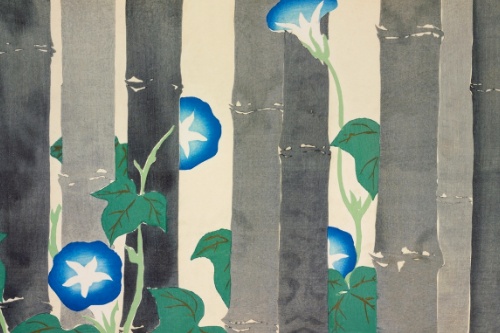
Bring natural elements indoors – a simple branch in a vase, a collection of stones, or a potted plant. Spend time outdoors, observing the subtle changes in nature. Notice the texture of bark, the veins on a leaf, the way light filters through trees.
4. Embrace “Used” and “Handmade”
Consider incorporating vintage items, antiques, or handmade pieces into your home. These objects often carry a sense of history and a unique, imperfect charm that mass-produced items lack. Support local artisans and cherish the human touch in their creations.
5. Practice Self-Compassion and Acceptance
This is perhaps the most profound application of Wabi-Sabi. Extend the same appreciation for imperfection to yourself. Acknowledge your “flaws” and vulnerabilities not as weaknesses, but as part of your unique, beautiful, and evolving human story. Be kind to yourself.
6. Savor Simple, Everyday Moments
Find joy in the quiet, ordinary moments: the warmth of a cup of tea, the feeling of soft fabric, the sound of rain. Wabi-Sabi teaches us that beauty and contentment can be found in the simplest of experiences when we are truly present.
Finding Your Own Wabi-Sabi: A Journey, Not a Destination
Embracing Wabi-Sabi is an ongoing practice, a gentle unfolding of awareness. It’s about shifting your gaze to find beauty where you might not have noticed it before – in the humble, the imperfect, and the beautifully transient.
In a world that constantly urges us to want more, be more, and achieve more, Wabi-Sabi offers a quiet refuge. It teaches us that true contentment and authentic beauty are often found not in striving for an elusive perfection, but in lovingly accepting and appreciating life, in all its perfectly imperfect glory. May you find peace and profound beauty on your Wabi-Sabi journey.